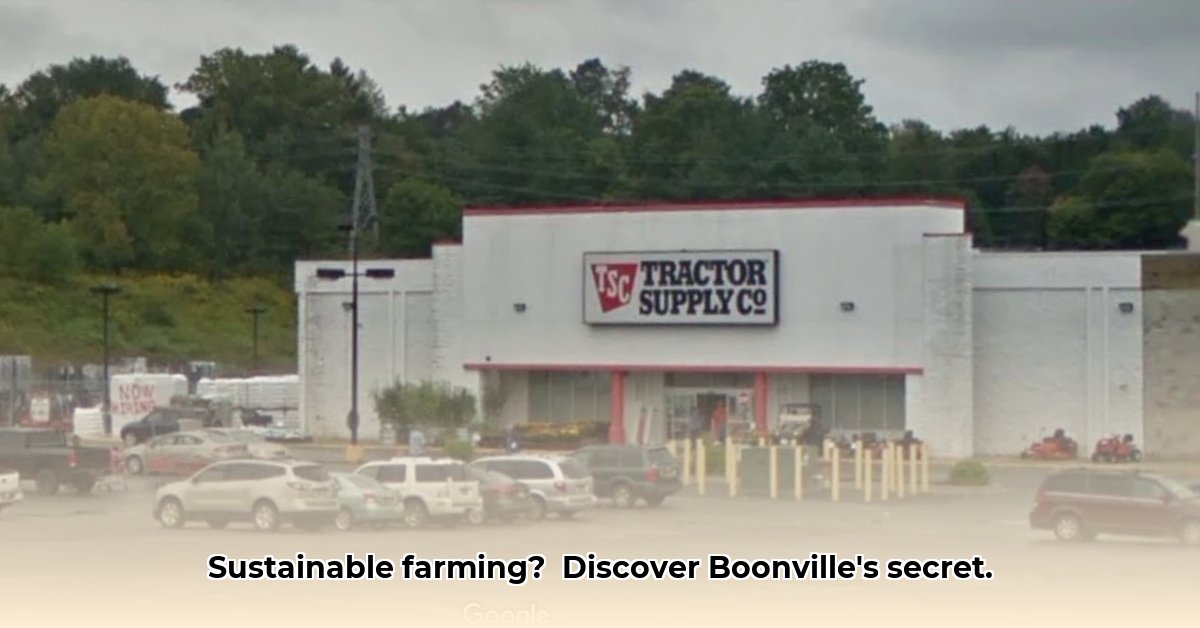
Tractor Supply's Impact on Sustainable Agriculture in Boonville, Indiana
Boonville, Indiana's agricultural health directly impacts its economic vitality. This article analyzes Tractor Supply's (TSC) role in supporting sustainable farming practices within the Boonville community, highlighting both its contributions and areas for improvement. We'll examine the availability of sustainable products, the challenges faced by local farmers, and actionable steps to foster a more environmentally friendly agricultural sector. For more information on TSC's impact on food plots, see this helpful resource.
Assessing TSC's Sustainability Efforts in Boonville
TSC Boonville serves a diverse clientele, ranging from small-scale gardeners to large-scale farms. While offering a wide array of products, the store's commitment to sustainable agriculture requires a nuanced assessment. Currently, identifying clearly labeled organic seeds, eco-friendly fertilizers, and other sustainable options isn't always straightforward. This lack of clear categorization presents a significant opportunity for improvement. A more organized and easily navigable selection of sustainable products would significantly enhance TSC's contribution to the local eco-conscious farming movement. Does the current product range adequately meet the demand for sustainable agricultural inputs in Boonville? Further investigation is warranted.
Defining Sustainable Farming Practices in the Boonville Context
Defining "sustainable" in Boonville requires understanding its unique agricultural challenges. Is water scarcity a pressing issue? What about soil erosion or specific pest pressures? These local conditions significantly influence the most effective sustainable farming practices. A thorough assessment of these local factors is essential to accurately evaluate TSC's impact. For instance, if soil erosion is a significant concern, the availability of erosion-control products and no-till farming equipment at TSC becomes a critical indicator of its contribution to sustainable agriculture. Similarly, access to water-efficient irrigation systems is crucial in water-scarce regions. Are these resources readily available and clearly identified at the Boonville store?
A Path Forward: Collaborative Actions for Sustainable Agriculture
Several key stakeholders can work collaboratively to enhance sustainable farming practices in Boonville. A strategic, multi-faceted approach is essential:
Key Takeaways:
- Improved Product Organization: TSC should clearly label and organize sustainable products, creating dedicated sections to improve customer navigation and make eco-friendly choices readily apparent.
- Targeted Education: Workshops and informational materials on sustainable farming practices, tailored to the specific needs of Boonville, would empower farmers and gardeners to make informed decisions.
- Community Collaboration: Partnerships with local agricultural experts, NGOs, and government agencies can provide valuable resources and facilitate knowledge sharing.
Actionable Steps for Stakeholders
| Stakeholder | Short-Term Actions (0-1 Year) | Long-Term Actions (3-5 Years) |
|---|---|---|
| Tractor Supply (Boonville) | Conduct customer surveys on sustainable product needs; improve product labeling and organization; offer educational brochures. | Develop dedicated sustainable product sections; partner with local experts for workshops and training; expand sustainable product offerings based on customer feedback. |
| Local Farmers/Gardeners | Utilize available sustainable products at TSC; provide feedback to TSC on product needs and preferences; adopt best practices. | Advocate for wider selection of sustainable products; participate in educational programs; adopt innovative sustainable methods. |
| Local Government | Offer incentives for farmers adopting sustainable practices; support research on local sustainability challenges; promote TSC's sustainability initiatives. | Develop comprehensive agricultural sustainability plans; offer grants or funding for sustainable farming projects; collaborate with TSC and local stakeholders. |
| Environmental NGOs | Advocate for increased awareness of sustainable practices; collaborate with TSC and farmers; conduct educational campaigns. | Conduct research on local environmental challenges; support farmers in transitioning to sustainable agriculture; partner with TSC in community engagement initiatives. |
Mitigating Risks to Sustainable Agriculture in Boonville
Several risk factors could impede the adoption of sustainable practices:
| Risk Factor | Probability | Impact | Mitigation Strategy |
|---|---|---|---|
| Limited Availability of Sustainable Products | Medium | High | TSC should increase procurement of sustainably sourced products; collaborate with local producers and distributors. |
| Lack of Customer Awareness | High | Medium | Targeted outreach and educational campaigns promoting benefit of sustainable practices; community engagement initiatives. |
| Competition from Specialized Retailers | Low | Low | TSC should differentiate itself by offering a wide selection of sustainable products combined with convenience and excellent customer service. |
| Supply Chain Disruptions | Medium | Medium | Diversify supplier relationships; implement robust inventory management strategies. |
Conclusion: Building a Sustainable Future Together
The long-term sustainability of Boonville's agricultural sector depends on a collective effort. TSC plays a critical role, but its success hinges on collaboration with local farmers, government agencies, and environmental NGOs. By addressing the challenges outlined, Boonville can build a vibrant and sustainable agricultural future. Open communication, dedicated support, and the adoption of innovative solutions are essential. The process will require ongoing dedication but promises a healthier environment and a more prosperous future for the Boonville community.